Investing in real estate can be a smart way to build wealth—if you pick the right city. In 2025, some U.S. cities are especially attractive thanks to good job markets, steady population growth, affordability, and strong rental demand. If you’re looking to buy property either for long-term appreciation or rental income (or both), here are some of the top cities to consider—and why they stand out.
What Makes a “Good” City for Real Estate Investment in 2025?
Before we dive into specific places, let’s look at the key factors that make a city a good real estate investment target right now:
- Job growth and economic diversity—more jobs mean more renters or buyers. Tech, healthcare, logistics, and other stable sectors are especially attractive.
- Population growth or migration inflows—cities growing in population tend to have rising housing demand.
- Affordability relative to income and cost of living—Lower entry prices or lower cost of living can give better returns, especially for rental properties.
- Strong rental demand—good for investors who want cash flow rather than waiting for price appreciation.
- Balanced supply and demand—A tight housing market or limited supply often drives up rents or home values.
With those in mind, here are some of the best cities to invest in in 2025.
Top Cities for Real Estate Investment in 2025
Austin, Texas


4
Austin continues to dominate real estate investment lists—and for good reasons. With a booming tech sector (major employers like Tesla, Apple, and Oracle), a large influx of professionals, and high demand for housing, Austin remains one of the hottest markets in 2025. economydriven.com+2realistely.com+2
Why it stands out:
- Strong job growth driven by tech and related industries. economydriven.com+1
- High rental demand from young professionals and newcomers, ensuring healthy cash flow for landlords. realistely.com+1
- Long-term price appreciation potential, especially in areas surrounding the city center or near new development zones. trymasterkey.com+1
What to watch out for: Prices in the city center and popular suburbs can be high, so investors seeking better returns might look at outskirts or emerging neighborhoods.
Dallas–Fort Worth, Texas (DFW Metroplex)


4
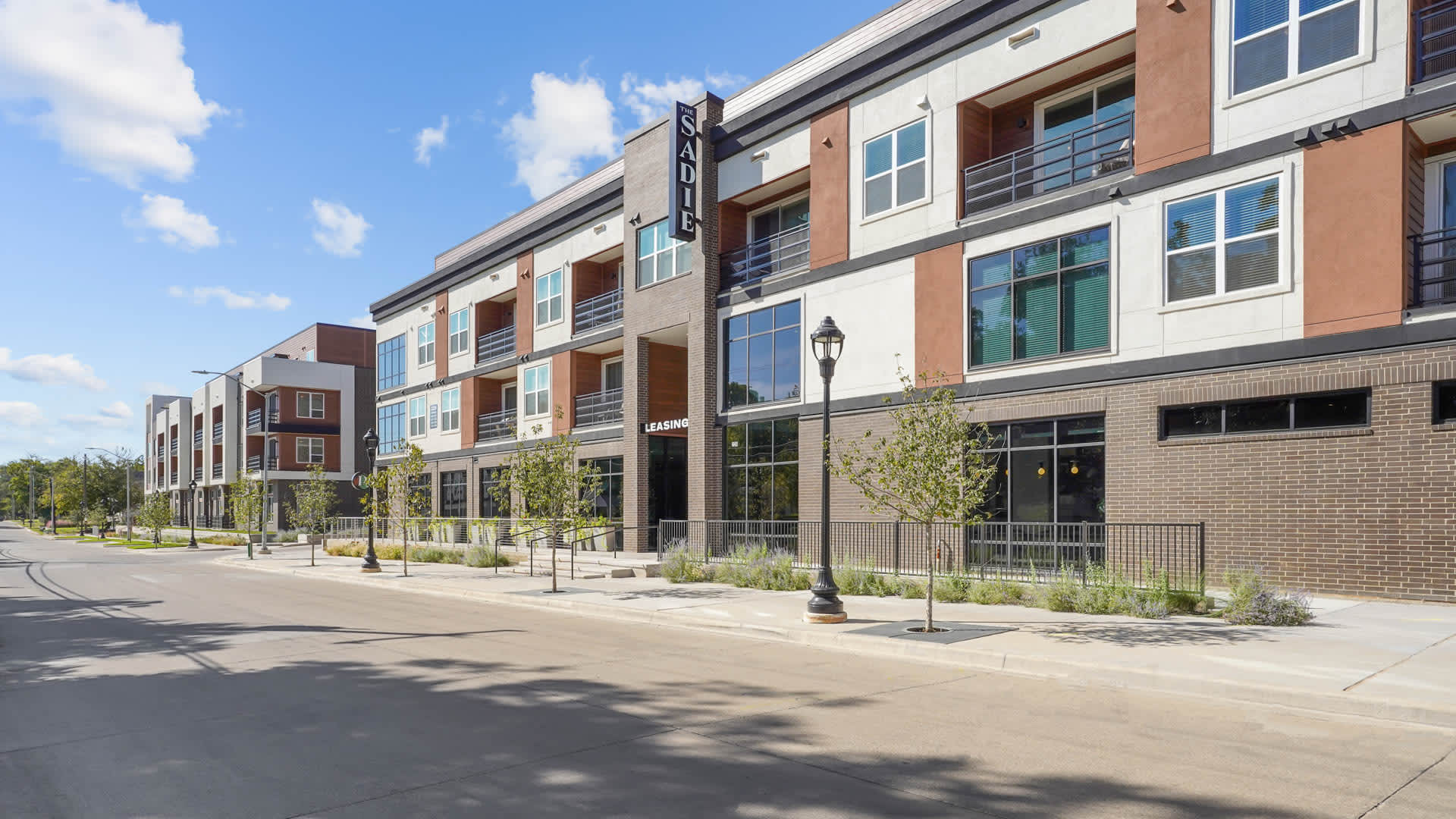
The Dallas–Fort Worth area keeps showing up as a top real estate investment market in 2025—combining strong population growth, job opportunities, and relatively accessible housing prices compared to coastal metros. wealtharc.com+1
Key advantages:
- A diversified economy with many Fortune 500 companies, strong employment growth, and sectors such as technology, finance, and logistics contributing to stability. wealtharc.com
- Median property prices and rents that offer a good balance for both investors seeking rental yield and long-term appreciation. wealtharc.com+1
- Rapid population influx, which keeps demand for rental and purchase properties high. wealtharc.com+1
Best for: Investors looking for a balanced mix of rental yield and property value growth without the high entry costs of coastal cities.
Phoenix, Arizona


4
Phoenix continues to attract attention from investors looking for growth potential and affordability compared to many expensive metros. As populations shift and more people move for job opportunities and warmer climates, Phoenix’s real estate market stays vibrant. estatenest.xyz+1
Why Phoenix works:
- A growing economy with expansion in diverse sectors beyond just one industry. estatenest.xyz+1
- Demand for housing from both newcomers and those relocating from more expensive areas, which helps keep rental occupancy high. estatenest.xyz+1
- Entry prices that remain relatively accessible compared to many coastal or high-demand cities, offering a good buy-in opportunity. The Close+1
Ideal for: Investors seeking a growing, affordable market with potential for both rental income and property appreciation.
Tampa, Florida



4
Tampa is another strong contender for real estate investors in 2025. With favorable tax laws (no state income tax), a diversified economy, and growing demand from retirees, remote workers, and new residents, Tampa offers excellent potential. estatenest.xyz+1
What makes Tampa appealing:
- A balanced mix of job sectors, including healthcare, logistics, tourism, and services—contributing to stable employment and housing demand. blog.zeroflux.io+1
- Solid rental yields and increased demand for both long-term rentals and short-term stays (thanks to tourism and seasonal movers). blog.zeroflux.io+1
- Affordability and a desirable lifestyle (climate, coastal proximity) that attract a wide variety of renters and buyers. The Close+1
Best for: Rental property investors, retirees looking to rent out, or anyone interested in a stable, lifestyle-friendly market.
Charlotte, North Carolina / Raleigh‑Durham, North Carolina (Research Triangle & Queen City Region)


4
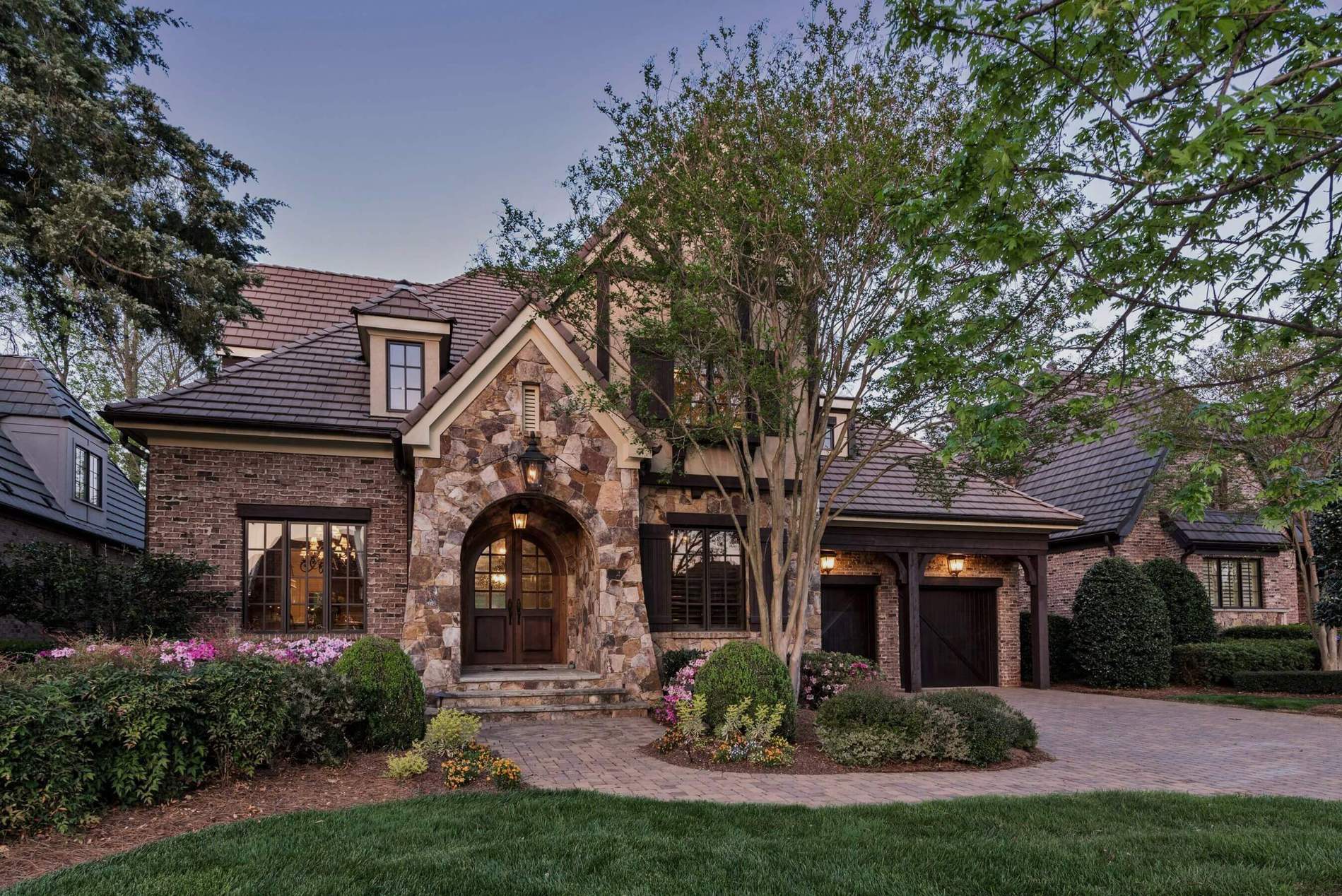
The Carolinas—especially the Charlotte and Raleigh-Durham areas—are gaining ground among investors looking for a mix of affordability, growth potential, and stability. The Raleigh-Durham region, often known as the Research Triangle, benefits from universities, tech and research jobs, and a high influx of young professionals. PersingerGroup.com+1
Highlights here:
- Strong job growth, particularly in tech, healthcare, and academic sectors, is driving demand for housing. PersingerGroup.com+1
- Moderately priced real estate compared to larger coastal cities, giving investors a lower cost of entry while retaining growth potential. PersingerGroup.com+1
- Balanced demand for rentals and owner-occupied homes makes it versatile whether you want to flip, hold, or rent. realestate.sachikhabre.com+1
Best for: Investors who want lower risk, affordability, and the stability that comes from a diverse economic base.
Indianapolis, Indiana


4
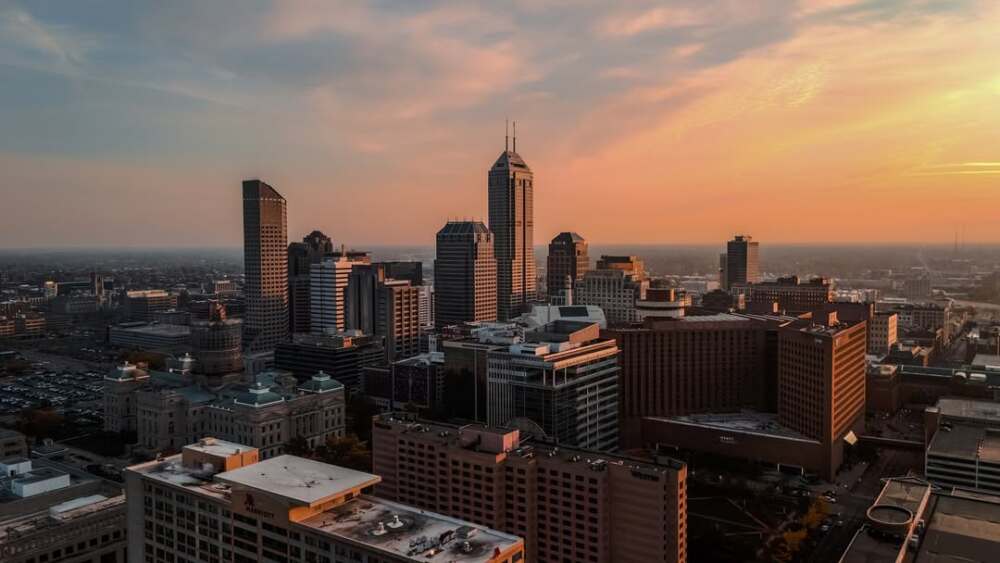
For investors seeking affordability and strong rental yields, Indianapolis stands out in 2025 as a stable and investor-friendly market. Skybriz+1
Why it’s attractive:
- Low median home prices compared to many coastal or high-demand metros, making entry easier for first-time investors. Skybriz+1
- Good rental yields thanks to steady demand, driven by a combination of working-class tenants, students, and families. Skybriz+1
- A diversifying economy with sectors like healthcare, manufacturing, and education supporting stable jobs and population retention. Skybriz
Best for: Investors with limited capital who want solid cash flow rather than speculative appreciation.
What Type of Investor Are You? Matching Cities to Investment Styles
Not all investors are looking for the same thing. Some want long-term appreciation, others want steady rental income, and some want a mix. Here’s how to match investment style with cities:
| Investment Goal | Recommended Cities |
|---|---|
| Long-Term Appreciation & Growth | Austin, Phoenix, Tampa |
| Balanced Growth + Rental Income | Dallas–Fort Worth, Charlotte / Raleigh-Durham |
| High Rental Yield, Low Entry Cost | Indianapolis, Phoenix, Tampa |
| Stable, Moderate-Risk Investments | Charlotte / Raleigh-Durham, Indianapolis |
| Lifestyle + Investment (e.g. retirees, remote-worker friendly) | Tampa, Phoenix, Austin (suburbs) |
Strategies to Maximize Returns in 2025
Investing in the right city is just the first step. To really maximize your return, follow these strategies:
Buy Outside the City Center—Suburbs & Growing Neighborhoods
In booming metros like Austin or Dallas, suburban areas or surrounding towns often offer lower entry costs and upside as growth spreads outward.
Focus on Rental Demand—Young Professionals, Students, Remote Workers
Cities with strong job growth or universities—like Raleigh-Durham, Phoenix, or Indianapolis—tend to have stable rental demand. That helps you avoid vacancy problems and ensure income.
Consider Multi-Family or Duplex Properties
In cities with strong demand and affordable entry (like Indianapolis or suburbs of Dallas), duplexes or small multi-family buildings can give higher cash flow and spread your risk across multiple units.
Factor in Costs—Taxes, Maintenance, Vacancy, Insurance
Don’t just look at purchase price and rent. Real net return depends on taxes, upkeep, insurance, and realistic vacancy rates. Some cheaper markets might have higher turnover or maintenance needs.
Keep Long-Term in Mind—5 to 10 Years Minimum
Real estate rewards patience. Markets with growing economies (like tech hubs or diversified cities) often appreciate over time as demand keeps rising.
Risks to Watch Out For—Real Estate Isn’t Risk-Free
No investment is perfect. Here are common pitfalls—and how to avoid them:
- Market Saturation—In hot cities, competition can drive prices up too fast, leading to overvaluation.
- Economic Dependence on One Sector—Cities reliant on tech, for example, can suffer if the industry takes a hit.
- Regulatory or Tax Changes—Property taxes, tenant laws, or insurance costs can shift and affect profitability.
- Maintenance Costs & Vacancy Risks— Older properties, high-turnover tenants, or poor neighborhood conditions can eat into profits.
- Affordability Declines—If home prices rise too much, tenant demand may drop or yield may shrink.
To manage risks: diversify geographically or by property type, vet neighborhoods thoroughly, and build in a financial cushion for unexpected costs.
Quick Guide: Factors to Check Before Buying in Any City
- Median home price vs. regional and national median
- Rent-to-price ratio and rental yield
- Population growth and net migration trends
- Local job market strength and diversity
- Vacancy rates and rental demand history
- Property taxes, insurance costs, landlord-tenant laws
- Infrastructure, amenities, and quality of life (schools, transport, safety)
- Forecasts for development, job growth, and future demand
If most of these check out, you’ve likely found a solid investment city—but always run the numbers yourself.
My Picks for 2025—Who I’d Invest In If I Were Buying Now
If I were putting money into real estate in 2025, here are the cities I’d prioritize, depending on my goal:
- For long-term growth and potential: Austin, TX, and Phoenix, AZ—because of strong migration, job growth, and lifestyle appeal.
- For balanced growth and rental yield: Dallas–Fort Worth, TX, and Tampa, FL—offering stable economies, demand, and favorable tax/climate.
- For steady cash flow with lower risk: Indianapolis, IN, and Charlotte/Raleigh-Durham, NC—providing good affordability and consistent demand.
In any case, I’d prefer properties near growing job centers, close to amenities, or in neighborhoods with solid tenant demand.
Conclusion
Real estate investing in 2025 is all about choosing the right city—one that balances growth potential, rental demand, affordability, and economic stability. While there are many options, a handful of cities stand out for their strength in these areas: Austin, Dallas–Fort Worth, Phoenix, Tampa, Charlotte/Raleigh-Durham, and Indianapolis.
Whether you’re after long-term appreciation or steady rental income, there’s a city that fits your strategy. The key is to do your homework—analyze data, estimate yields, and always buy with a margin of safety.
If you invest wisely and stay patient, the real estate market can be one of the most rewarding ways to build wealth.